A range element can be used to show set text or a specific image when the values received on a channel are within a certain range. This is most commonly used to show information such as an RPM bar-style graph or vehicle gear.
VBOX Video HD2 software comes supplied with a library of range of elements. The user also has the option to create their own using a selection of PNG, JPEG or BMP image files, or written text ranges.
For example, the range element below shows RPM 0-10,000, using 10 different bar images.
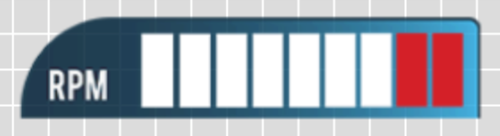
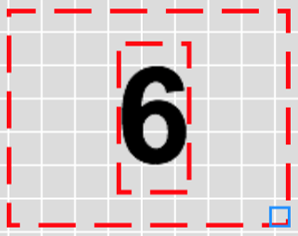
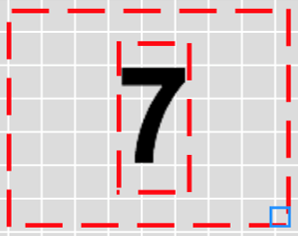
This element will show the following:
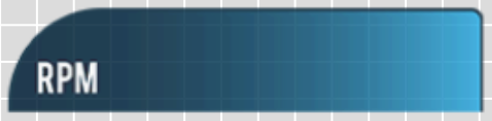
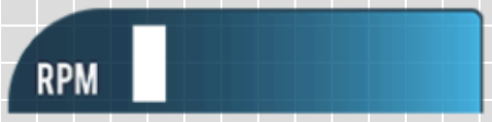
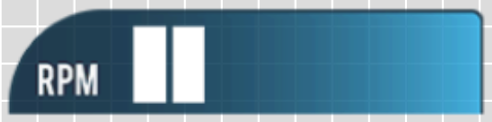
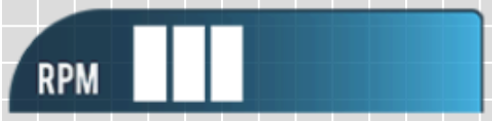
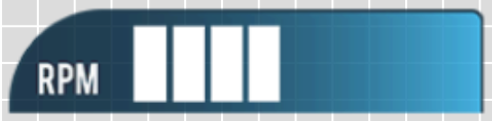
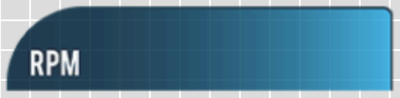
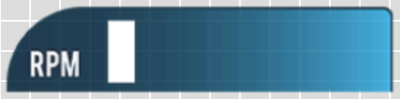
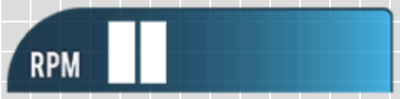
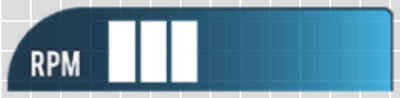
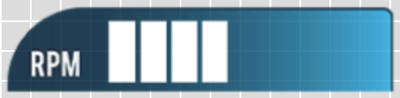
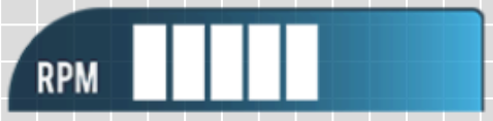
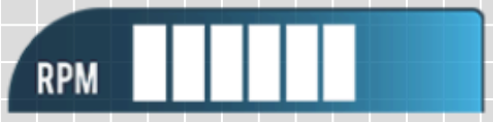
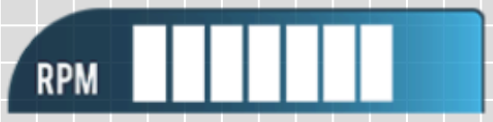
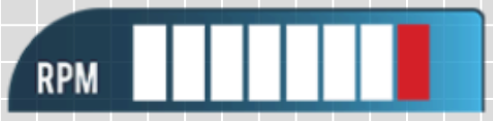
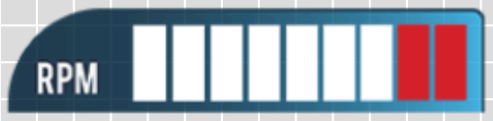
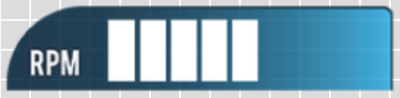
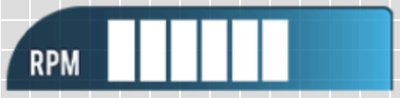
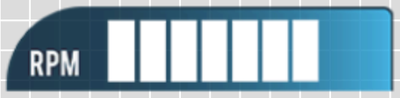
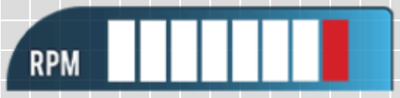
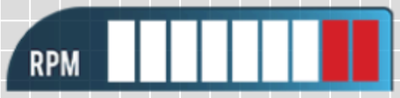
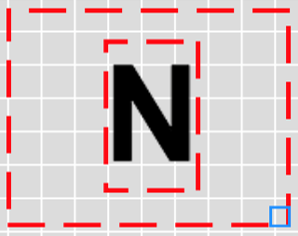
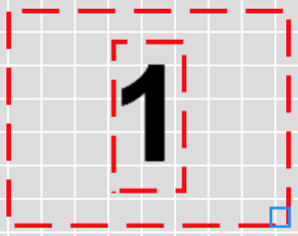
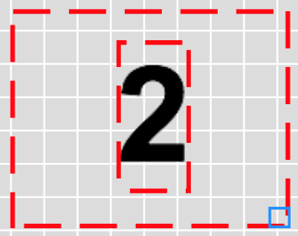
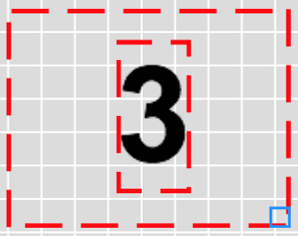
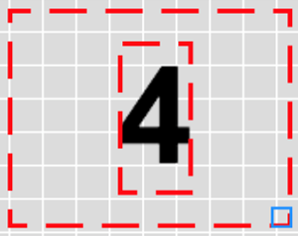
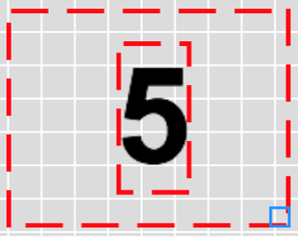
Another example is shown below. This element will show gear using set text – this example is picking up gear from a vehicle CAN bus. If the gear is being calculated using Speed ÷ RPM, then these notes will help.
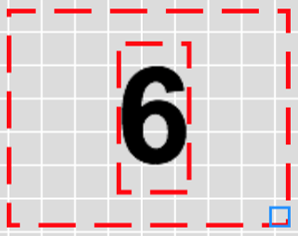
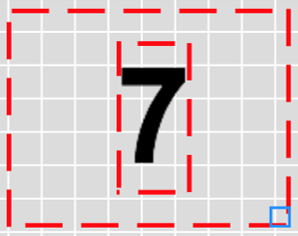
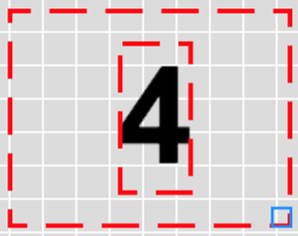
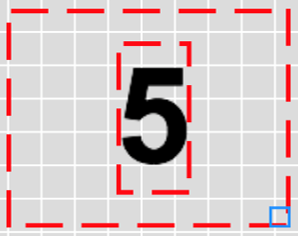
Open the range library by clicking the ‘Range’ icon from the top panel buttons menu.

A Range library will then appear in the settings panel to the right Clicking on a chosen range will load it into the scene. Once a G-Ball has been added to the scene, it can be clicked and dragged to the desired location.
NOTE
Hovering over any of the range thumbnails will cause a larger preview of the bar graph to appear.
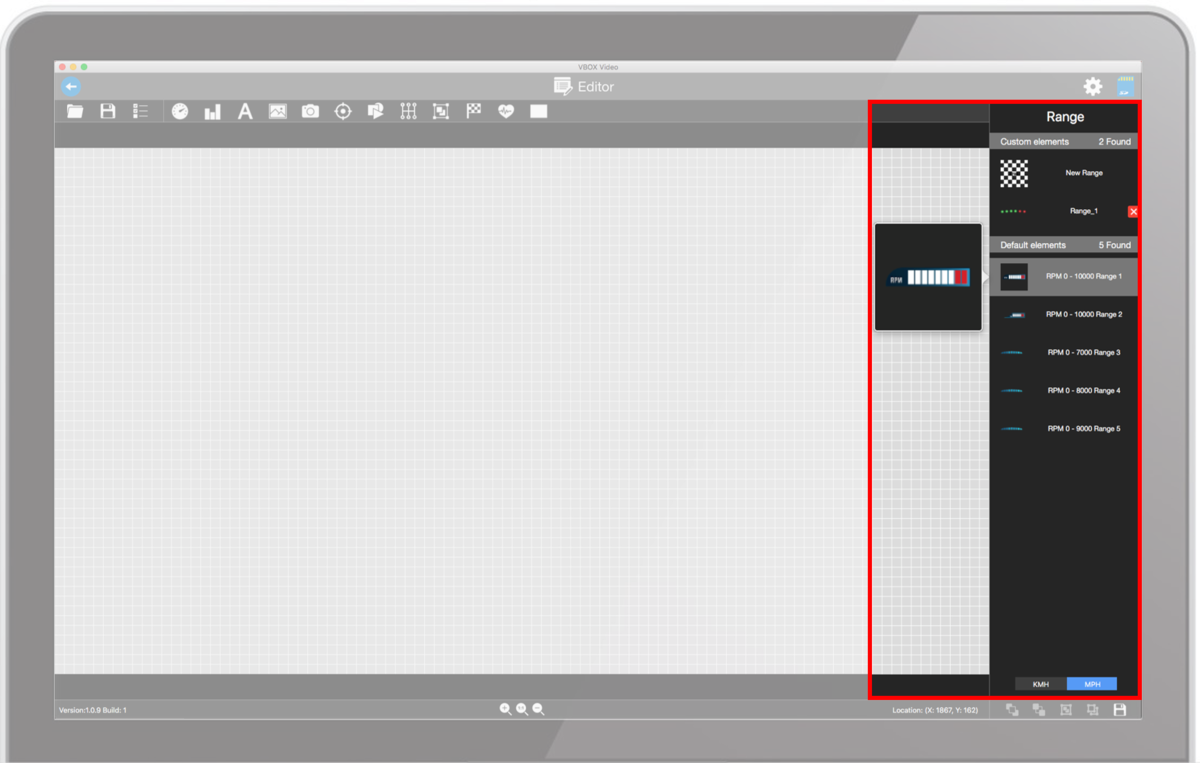
You can toggle between Ranges using mph or km/h units by using the buttons at the bottom of the library.

NOTE
When moving range elements, the background image must be selected, and not one of the set range images. If a range image is selected, this will move around inside the background image instead of moving the whole element.
Ranges within the library will have pre-defined settings.
When creating a new range element, an image can be used for the range background.
NOTE
Images can be resized within HD2 software.

Open the range library by clicking the ‘Range’ icon from the top panel buttons menu.
Within the Range library, selecting the 'New Range' option will add a new Range element to the scene.
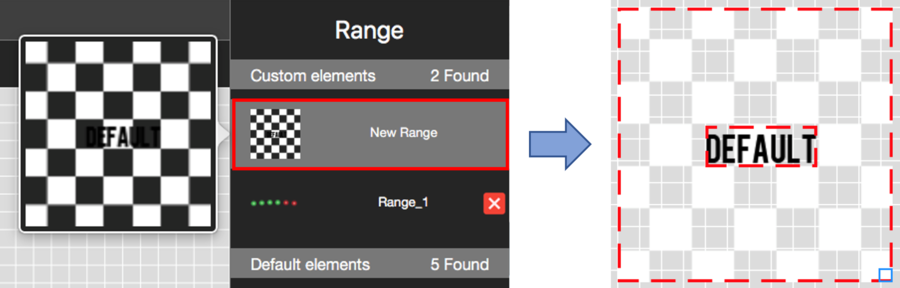
To upload a background image use the search icon button within the background settings area.
When a range is selected, its settings are shown in the right-hand panel.
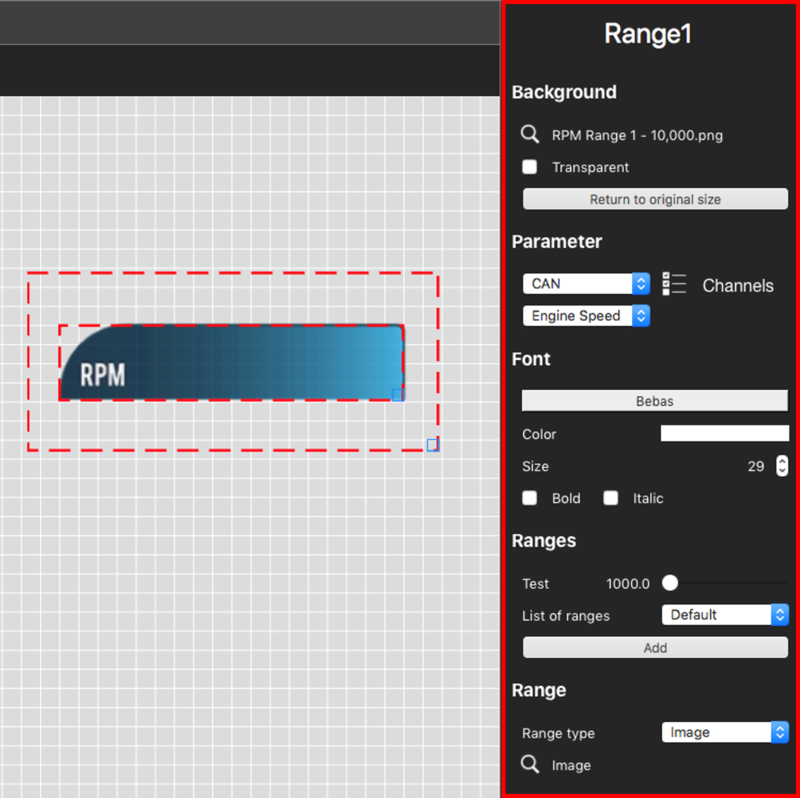
If you are creating a new range rather than using one from the range library, or wanting to change the image, the background can be set by clicking on the search icon.
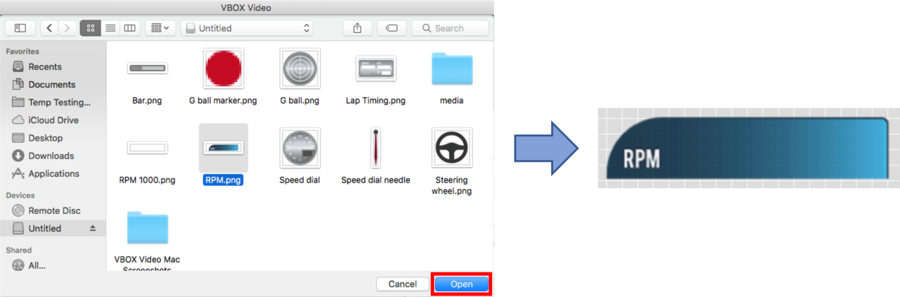
Range backgrounds can be made transparent by ticking the ‘Transparent’ option within the range background area.
The data set to display on the range can be changed using the two drop-down menus within the 'Parameter' section.
The first drop-down menu defines the source. Select either GPS, CAN or OBD.
NOTE
CAN and OBD options will only appear if they have been set up by the user.
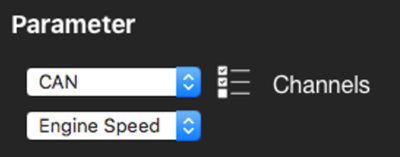
The second drop-down list defines the channel to be shown. In the example above, a CAN input is set to display RPM data.
Selecting the Channel Settings button opens up a Channel Settings window where you can configure CAN and OBD channels.
A number of GPS parameters are available to choose from, such as the following:
- Satellites
- UTC time
- Latitude
- Longitude
- Speed
- Heading
- Height
- Longitudinal acceleration
- Lateral acceleration
- Combined acceleration
- Vertical speed
- Local time
- Day of month
- Month
- Year
- Distance since power-up
- Distance since stationary
- Time stationary
- Time moving
- Radius of turn
- Gradient (%)
- Solution type
More information on the parameters can be found here.
Within the parameter section, speed, acceleration or distance channels can be set to display in different units.
The options available are:
- Speed – km/h, mph, kts, m/s, ft/s
- Acceleration – g, m/s², ft/s²
- Distance – m, ft, km, mi, nmi
These settings control all ranges which are sent to display ‘Text’, allowing all ranges to be changed easily.
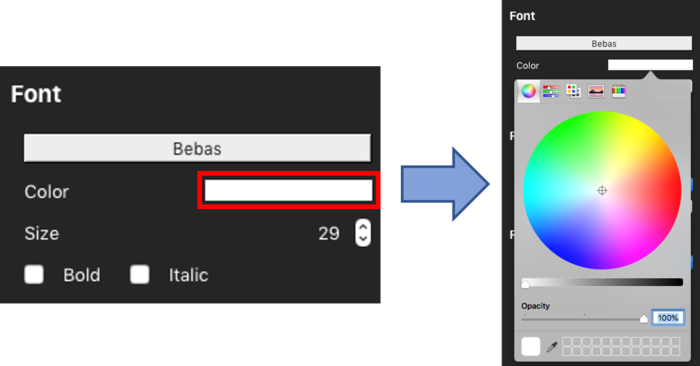
Select the existing font to chose any font installed on the computer. The text size can be changed using the up and down arrows.
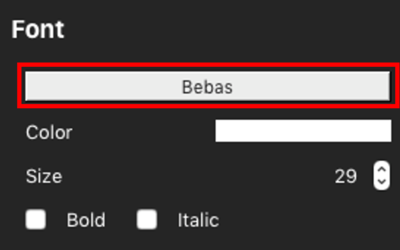
To change the colour, select the existing colour and choose from the colour wheel. The opacity of the colour can also be changed here.
To set a specific RGB value, click on ‘Color sliders’.
When a new range is created, only the default range will be shown. This image or text will be shown when values are received which do not fall into any set range.
Set an image or write text within the default range.
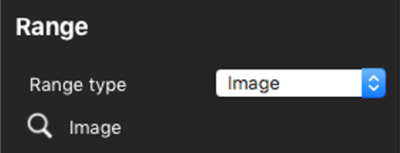
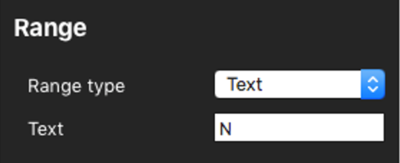
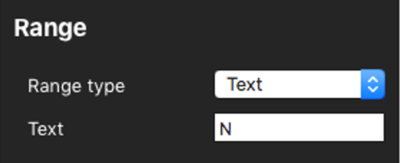
Any added ranges will automatically match the type that has been set for the default.
For this example we will show an image range being set up:
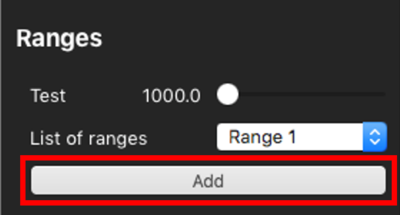
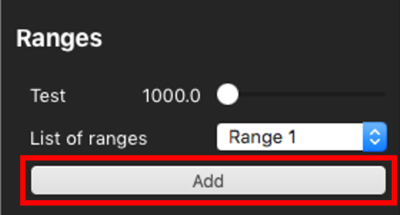
Press ‘Add’ to load a new range and then click on the the search icon button within the individual range settings to browse your computer.
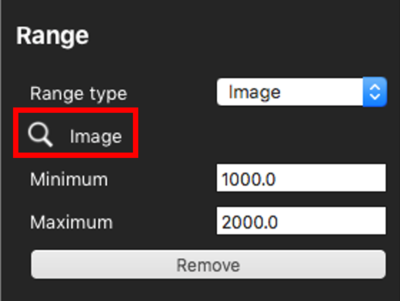
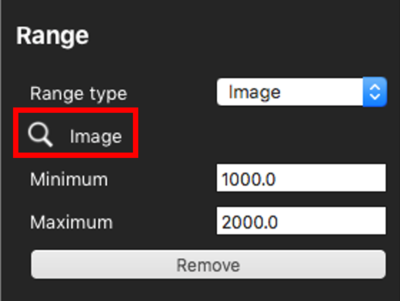
Choose the desired image for the range.
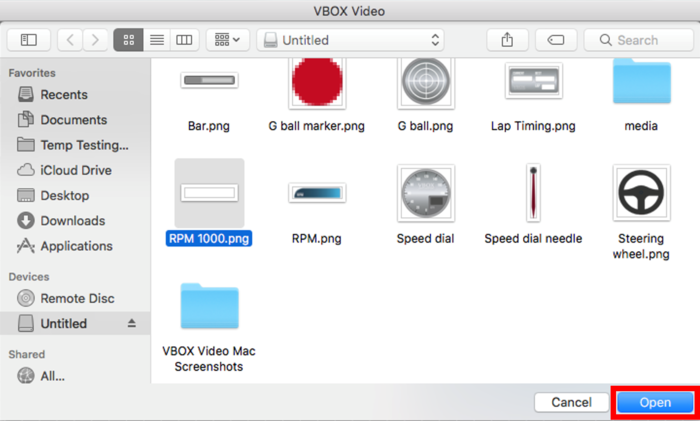
Move the image to show in the correct location within the range element by clicking and dragging the new image.
TIP
Images will always appear in the top left corner of the range. When using a transparent background, this can help with aligning images perfectly.

When the image is loaded, define the values between which this should display.
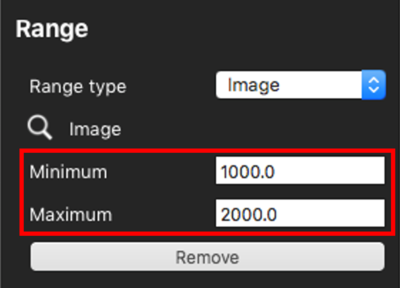
Repeat this for all additional ranges to be shown. Use the 'Test' box to check what will be shown when different values are received.
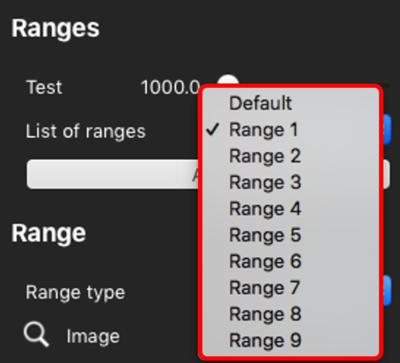
The settings for any range can be checked by selecting the range of interest from the drop down box.
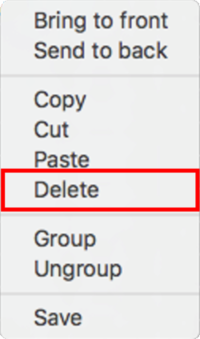
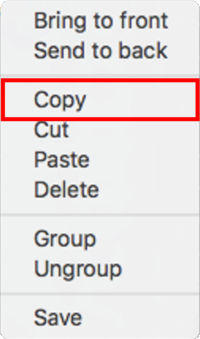
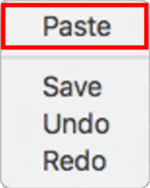
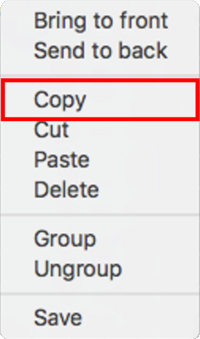
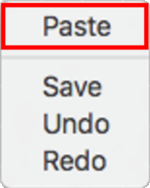
Elements and their associated settings can be duplicated within a scene by either right-clicking on the element, selecting 'Copy' from the dropdown then right-clicking in an empty area and selecting 'Paste' from the dropdown, or by using keyboard shortcuts 'Command + C' (Copy) and 'Command + V' (Paste).
Elements can be removed from the scene in two ways; either by right-clicking on the element, selecting 'Delete' from the dropdown and confirming the prompt, or by pressing the 'Backspace' key on a keyboard, and again, confirming the prompt.